Writing an OEM Branding Brief for a Mingdao Electric Vehicle Order
An OEM branding brief should connect artwork to a particular vehicle surface and order revision. Give the supplier the exact model, quantities, artwork files, color references and placement views. Keep technical requirements separate so that a graphics approval does not accidentally approve a changed battery, body or accessory.
The family tricycle, enclosed delivery body and commuter motorcycle offer different surfaces to review. Mingdao's service information describes customization. The supplier should confirm which changes it can offer for the selected model and quantity.
The comparison starts with Family Electric Tricycle with Three Seats and Enclosed Electric Delivery Tricycle. The electric tricycle catalogue lists other configurations for buyers whose order needs a different body, battery or use case.
Catalogue references for the enquiry
| Mingdao product | Catalogue details on record | Confirm for the proposed order |
|---|---|---|
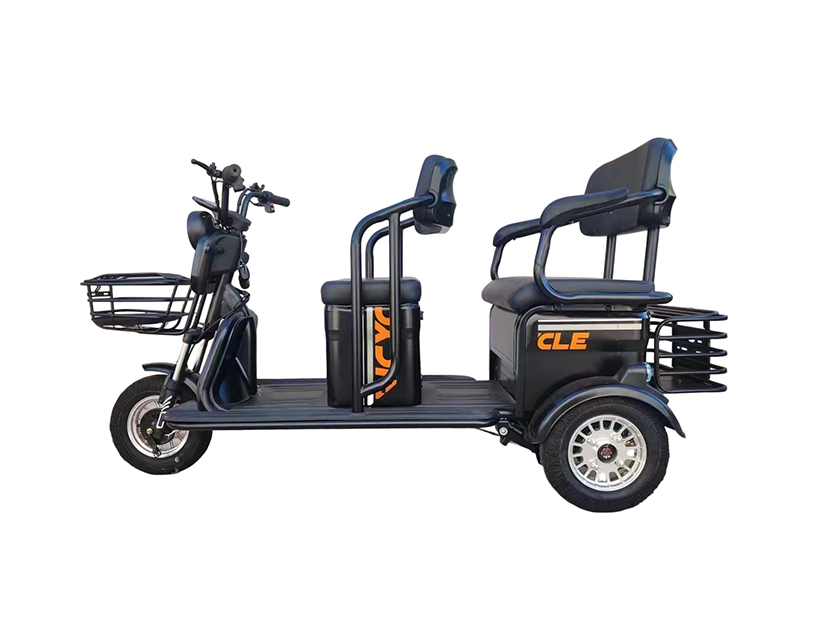
| Family Electric Tricycle with Three Seats | 60V lead-acid; 800W; three saddles described | Approved passenger arrangement and rated load |
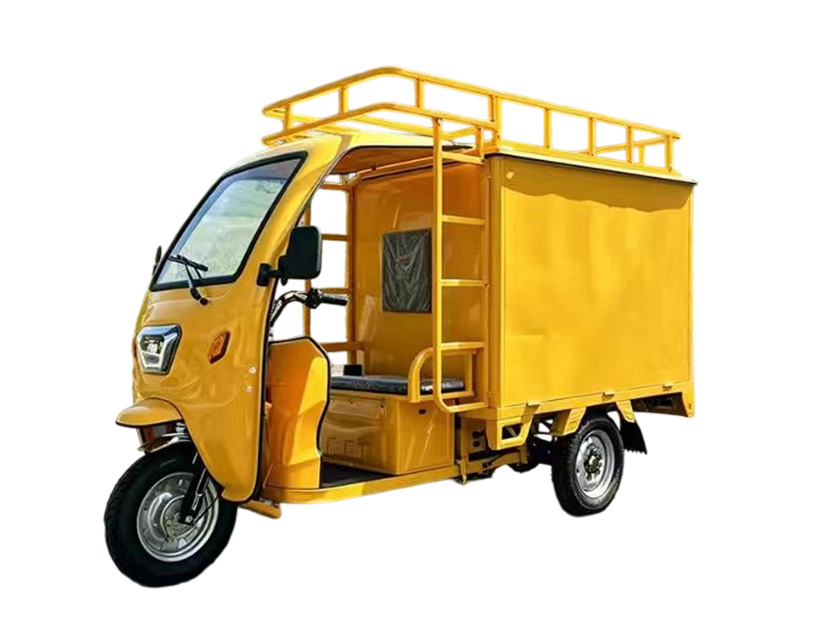
| Enclosed Electric Delivery Tricycle | 72V lead-acid; 1200W; carrier entry 1.6 × 1.1 m | Measurement basis, rated payload and body access |
| Brushless Electric Motorcycle for Commuting | 60V lead-acid; 1200W brushless; front and rear disc brakes | Brake parts and supplied charger references |
| Sport Electric Motorcycle for Adults | 72V lead-acid; 3000W brushless; front and rear disc brakes | Performance conditions and destination-specific documents |
Start with the base model
A dealer shares an annotated image of a sport motorcycle and asks for the same graphics on a commuter model.
The shape of the panel or fitted accessories can make the position unsuitable.
How to run a second check
Ask a colleague who did not conduct the first review to repeat the comparison using only the shared notes. Give that person the sample or source material and the intended use. A disagreement can expose an ambiguous measurement point, an undocumented assumption or a version mismatch before any customer sees the resulting description.
Evidence to request. Name the base model, current revision and actual surface for each mark.
Make sure an annotation remains understandable when someone reads it outside the original conversation. Mark the location or product feature it describes and keep the date or revision with it. A caption that names the item gives the next reader more context than a general instruction to see the image. The comparison can begin with Family Electric Tricycle with Three Seats and Enclosed Electric Delivery Tricycle.
Depending on the consequence, the dealer can continue comparison work while the question is open. Keep the uncertain detail out of material that customers will rely on. Move it into the confirmed specification only after receiving a response that identifies the offered vehicle.
Decision. Have the supplier return the placement on a matching view before approval.
Send usable artwork files
The buyer sends a screenshot of a logo taken from a social profile.
The screenshot can have an unwanted background or insufficient detail for the intended size.
What to test first
Start with the constraint that could rule out the model. For the question described here, record the expected operating conditions before looking for a configuration that meets them. If the constraint changes, someone reviewing the notes should be able to identify which part of the comparison needs to be repeated.
Buyer’s check. Provide the source artwork and the brand owner's approved color and usage instructions.
Keep the evidence of the requirement near the decision. Someone reviewing a later order should be able to see why the feature was requested and how the buyer decided to proceed. That record provides a starting point if the product, destination or working conditions change.
If the approved detail is later changed, return to its decision record instead of copying the original approval. Ask which downstream material needs to be reviewed. The relevant service note or customer-facing product description may still reflect the earlier version.
Acceptance point. Agree which file will be used and record its revision in the order.
Define placement around real seams and hardware
The first concept shows a mark across a panel joint on an enclosed cargo body.
Installation, door travel or service access may affect the proposed position.
What to retain after approval
Store the reason for approval beside the actual evidence used to reach it. A later reviewer should be able to trace the decision to a vehicle, version and set of conditions. A short comment appended to the order is adequate when it points to the correct item and explains any unresolved detail.
Record to retain. Ask for marks on an actual body drawing or suitable photos with doors in relevant positions.
Request revised evidence only for the affected point unless the change alters the wider specification. Record what stayed within the accepted scope and what requires a new review. This helps the buyer reconsider the decision without losing the reasoning behind earlier accepted details.
Discuss the unanswered point with the supplier before using it as a score. If a difference in the quotation is acceptable, write down why. This gives the next reviewer an explanation of the commercial decision and tells the receiving team which variation it should expect.
Handover decision. Approve placement with the affected surface and clearance identified.
Give color its own acceptance reference
A monitor preview looks close to the desired body color.
A screen image may reflect lighting or display settings rather than a confirmed physical finish.
How to explain the difference to a customer
Have the salesperson explain the choice in terms of the customer's use. A short description should state what the customer expects, what the dealer can show today and what still needs a written answer. A photograph can show the version on display. If the supplied configuration differs, say which feature changes and show where the difference is recorded.
Question for the quotation. Request the supplier's agreed reference and the process for approving a sample.
Organize the documentation around the next named action. Record what the supplier has confirmed, what is available for review and what still needs a decision. The people preparing a quote or sample should be able to use the record without reconstructing the whole conversation. The comparison can begin with Sport Electric Motorcycle for Adults and Family Electric Tricycle with Three Seats.
Record the marked-up view where the measurement begins and ends. When an accessory changes the outline, add a separate view showing it fitted. The record has to explain the actual constraint on the buyer's premises or order, even if the reviewer has never seen the original showroom arrangement.
Next action. Retain the accepted color reference with the vehicle and artwork versions.
Separate mandatory labels from decoration
A design mockup uses a label area already needed for identification or instructions.
Decorative artwork should leave room for the confirmed documents and required markings.
How to brief the service desk
Send the service desk the same identification that the sales team uses. The desk needs to recognize the supplied version after a customer has taken the vehicle away. Prepare one example of a useful enquiry containing the vehicle reference, the relevant item and enough context to determine whether the enquiry concerns instructions or a possible parts request.
Evidence to request. Ask the supplier and relevant market reviewer to identify reserved label areas.
Describe the result in terms of the approved example and the actual requirement. A dealer who later uses the note can then see where it applies. Keep source references and any order conditions with it when moving the information into a catalogue, receiving record or service file.
Keep the original wording available until a named reviewer has agreed on the revised wording. That makes it possible to trace a disagreement without circulating multiple competing versions. If a figure is still under discussion, ask the product team to record how it would be verified.
Decision. Move decorative elements when they would interfere with required labels.
Define how each side will look
The right-side drawing is made by mirroring the left-side image.
Mirroring the complete image can reverse lettering or put a mark over different hardware.
What to do when the answer is incomplete
Ask for a response to the unresolved line without reissuing the rest of the request. Include the version being reviewed and the precise question. The supplier can then explain a constraint, offer a different configuration or provide an updated drawing. Treat each as a distinct response until the buyer decides what to accept.
Buyer’s check. Give independent left, right and rear artwork views where the design requires them.
Use the product link to identify the candidate in this check. Send specific requirements with the proposed order so the supplier can reply about that version. If another catalogue model is under consideration, keep its evidence in a separate entry and compare only the points relevant to the buyer's decision.
Check the handover by looking for the answer in the materials the receiving colleague will actually use. Add a short pointer to the appropriate document. If the conclusion depends on a condition, put the condition next to the conclusion rather than in an unrelated attachment.
Acceptance point. Confirm readable orientation and placement on each applicable surface.
Plan spare panels and future orders
A distributor approves branded panels but leaves replacement finishes unspecified.
Repairs or reorders may require a matched finish that stock parts do not provide.
How to hand this over between teams
Give sales and purchasing a shared definition of completion. Sales can explain what the buyer wants to do, while purchasing can identify which signed document supports the offered version. Arrange for the product or service reviewer to answer any question the other two teams cannot settle from the catalogue.
Record to retain. Ask how branded or matching parts can be referenced and supplied for approved service.
Give this point an owner and a place in the enquiry record. Write down how it will be checked and which decision it affects. If the supplier answers on a call, capture the answer and the applicable model reference so a colleague can request any supporting document still needed. The comparison can begin with Brushless Electric Motorcycle for Commuting and Sport Electric Motorcycle for Adults.
Let the buyer see the consequence of the distinction. Ask the buyer to describe the intended arrangement in ordinary language and compare that description with the sales note. The dealer can clarify misunderstandings at that point, while the vehicle, documentation and payment decision are still easy to review.
Handover decision. Keep the finish and artwork references available after the first shipment.
Review carton art separately
The dealer plans to apply the vehicle graphics to packaging without checking the carton layout.
The carton has identification, handling and shipment fields that differ from the vehicle body.
How to handle an exception
Describe the specific situation under which the normal catalogue selection would fail. Give the supplier the facts that determine the exception and ask what tradeoffs the available alternatives would introduce. Some differences are a matter of wording. Others require a new configuration, a revised packing plan or a fresh sample.
Question for the quotation. Request a carton layout and approve only the decorative and informational fields within its scope.
Use a single question for each unresolved detail. The reply should identify the offered item and any conditions that change the result. Attach the marked photo, drawing or order line that makes the question understandable. This keeps later clarifications connected to the purchase rather than to a message history.
Compare the two records and identify the reason for disagreement. If both reviewers used different conditions, capture those conditions beside the results. The team can still retain both observations without converting them into an average or claiming they describe every vehicle.
Next action. Separate approval of carton artwork from approval of the vehicle graphics.
Make costs and conditions visible
One branding estimate includes body artwork, while a later estimate may price only a label.
A combined heading can obscure a change in the offer.
What to put on the order
Put the requirement on the quotation while changes can still be priced separately. A message that says to follow the sample leaves the receiving team to decide which details mattered. Transfer the relevant description into the line item or attach a referenced drawing. The person agreeing to the supply can then accept the scope or call out a difference before production.
Evidence to request. Request separate scope, quantities, conditions and samples for each option.
Include the product reference in the review, even if the team already recognizes the model by its photograph. Another employee may know the vehicle by a supplier code or retail name. The link gives the people preparing the first enquiry a common reference for the product under discussion.
Photograph the sample in the condition actually checked. Include an identifying view and a close-up of the relevant part where practical. Add a note about anything the distributor supplied separately. A second reviewer must be able to see which items were part of the sample before relying on the observation.
Decision. Evaluate revisions by individual deliverables and get the adopted version confirmed.
Set who can approve proofs
Sales, a reseller and a local designer send different versions on the same day.
The person preparing production may not know whose approval governs.
How to separate a claim from an observation
Write the evidence in two parts. First record what the source states and point to the specific table, drawing, photo or instruction that supports it. Then describe what the team saw in its own review. The two parts may refer to different conditions. Readers can judge those conditions when both are visible in the record.
Buyer’s check. Name the person authorized to approve each proof and keep comments in one versioned record.
Set the point at which the buyer needs the answer. Some questions must be resolved before comparing quotations. Others can wait for sample approval or receipt. Record the deadline with the question so the buyer can schedule the appropriate check while the relevant vehicle and team are available.
Keep only the details needed to answer the question at hand in the main worksheet. Place the supplier's drawing, instructions or photo set beside it, where the next reviewer can find the underlying information. If a judgment changes, record the new evidence that led to the change.
Acceptance point. Send one signed proof set to the supplier before marking the placement complete.
Check the first received units
The production artwork looks close to the proof but the black panel differs from the sample shown.
A photo of only the logo does not show contrast against the supplied vehicle.
How to keep the evidence useful
Name the person who will check the evidence and the person who may approve a deviation. The measuring, quoting and approval roles may belong to different people. Give them the same version of the brief. If a document is replaced, preserve its revision alongside the new copy so an earlier decision remains traceable.
Record to retain. Compare placement, finish, readability and approved references as part of receiving.
Keep the short sales brief easy to read, and attach the supporting evidence separately. The reader should be able to locate the verified detail quickly. Use the supplier's identification in the attachment so someone checking it later can distinguish the current reference from a related document.
Keep the request for an exception outside the standard feature list. If the supplier can meet it, add the accepted condition to the revised quote and note any effect on the rest of the order. Review the changed condition with whoever will receive or support the vehicle.
Handover decision. Send documented observations for review before releasing affected stock.
Retain the unbranded base reference
A private-label project assigns a retail name that no longer resembles the catalogue title.
Service staff still need the original confirmed model when identifying parts.
What the catalogue can establish
The published page is a starting reference for an enquiry. Use its wording to identify the candidate, then request documents that settle the question for the proposed order. A listing may illustrate a configuration that differs in a small but material way from the version discussed in a quotation. Save the two records together for review.
Question for the quotation. Cross-reference the branded name and underlying supplier model in the order pack.
An enquiry about the selected product can include the comparison model for context. Put each version on its own line. Ask the parties to answer against the required use, and keep catalogue figures distinguishable from measurements or instructions that were confirmed specifically for the new order.
Close the handover by asking the service reviewer where they would find the answer six months later. Retain the relevant label and approved information alongside the sales record. A parts query should reach someone who can check compatibility before a replacement is selected.
Next action. Show the retail name publicly and keep the approved underlying identity available to support staff.
Record which artwork revisions remain available
A designer sends a corrected file while resellers still have the previous version.
The earlier file can be reused by mistake on a later shipment.
How to read the drawing and the photo together
Read the scale, labels and revision on the drawing before comparing it with the product photo. The photo helps identify the orientation and installed equipment. The drawing gives the dimension or location needed for the enquiry. If they depict different revisions, ask the supplier to name the version shown in each before drawing a conclusion.
Evidence to request. Mark the accepted artwork and identify where rejected or superseded files are stored.
Read the reply from the viewpoint of the colleague who will use it. The warehouse may need a packing reference, while service may need the supplied part or approved instructions. Give each role the part of the answer that it can act on and a clear route to the source.
Preserve the result in a form the buyer can revisit before committing to a shipment. A useful note gives the ordinary use, the evidence that was available and the next outstanding decision. Establish the acceptance step while both sides are discussing the same sample.
Decision. Replace the active reference in the current supplier order and dealer catalogue.
Send a model-specific enquiry
Include the product reference and a short description of where the vehicle will be used. Describe the condition that will determine the purchase and attach any measurements, photos or specifications you already have. In the request, distinguish a sample question from a requirement for every vehicle in the order. Ask Mingdao to identify the offered configuration, the applicable instructions and any details still to be agreed. Use the Mingdao enquiry page to send the brief.
For order questions outside this comparison, see Mingdao service and OEM information and the Mingdao buyer FAQ. Keep the reply beside the selected product reference. If the response leaves a detail open, record who will confirm it and when it is needed so the next person can continue the discussion.